Liftgates vs. Ramps: Which is the Safer, More Efficient Choice for Truck Fleets?
When it comes to loading and unloading cargo, every fleet faces the same question: heavy duty truck loading ramps or a liftgate? While ramps may seem like the simple, low-cost option, the long-term safety, efficiency, and reliability advantages of hydraulic liftgates make them the smarter investment for most trucking operations.
At Crosspoint Power & Refrigeration, we work with fleets every day to install, maintain, and repair liftgates—and we’ve seen firsthand how choosing the right equipment can reduce accidents, improve productivity, and keep trucks on the road longer.
5 Advantages of Liftgates Over Ramps
1. Safety Comes First: Fewer Injuries, Less Risk
Manual ramps require drivers and dock workers to physically push or pull heavy loads up or down steep inclines. It’s a task that’s both exhausting and risky. Slips, muscle strains, and back injuries are all common outcomes of manual loading—especially when the weather, terrain, or cargo weight adds extra challenges.
Hydraulic liftgates, on the other hand, do the heavy lifting for you. With just a push of a button, they lower or raise cargo safely from ground level to truck height. According to Truck & Trailer News, “Ramps are a great fit for hand trucks full of light cargo, but anything larger may call for a liftgate.”
By reducing manual handling, liftgates help protect workers and lower the risk of on-the-job injuries—a major cost factor for fleet operations.
2. Better Control Means Safer Cargo
Liftgates don’t just protect people—they also protect your freight. Uneven loading ramps, steep angles, or unstable footing can lead to dropped or damaged cargo. With a liftgate, loads remain level and secure throughout the process, reducing the chance of loss or spoilage.
That’s especially important for fleets hauling sensitive or temperature-controlled goods like food, pharmaceuticals, or medical supplies. A stable lift platform helps ensure every load arrives safely and on time—no matter the conditions.
3. Efficiency That Pays for Itself
While ramps may look faster on paper, real-world performance tells a different story. Ramps require space, muscle power, and time. Liftgates, in contrast, are faster for heavy loads, easier for drivers to operate alone, and more adaptable to varied delivery environments—especially at non-dock locations.
Over time, the time saved per delivery adds up. Faster loading means shorter dwell times, fewer delays, and improved route efficiency. Combine that with fewer injuries and less downtime, and liftgates can actually save fleets money over their lifecycle.
4. Maintenance Matters: Keep Your Liftgate Reliable
Of course, the advantages of a liftgate only hold up if it’s properly maintained. Hydraulic systems rely on clean fluid, tight seals, and solid electrical connections. Without regular inspections, issues like leaks, switch failures, or worn components can develop—and that’s where preventive care comes in.
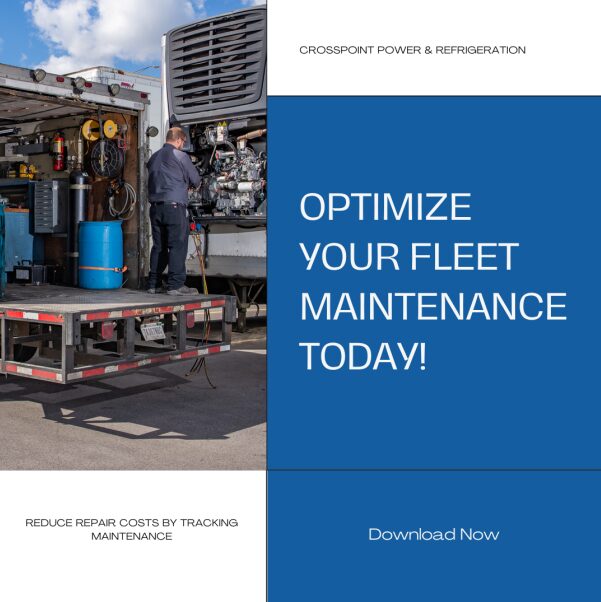
Crosspoint Power & Refrigeration provides comprehensive liftgate maintenance programs to keep your systems running safely and efficiently. Routine inspections every 3–6 months can identify small problems before they turn into costly breakdowns or safety hazards.
When you partner with Crosspoint, you’re not just maintaining equipment—you’re protecting your drivers, cargo, and bottom line.
5. A Smart Investment for Long-Term Fleet Success
The upfront cost of a hydraulic liftgate may be higher than a ramp, but the long-term benefits are hard to ignore. Reduced injuries mean fewer worker’s comp claims. Faster loading times improve delivery efficiency. And well-maintained liftgates keep your fleet compliant, productive, and ready for any route.
In today’s demanding delivery environment, safety and uptime aren’t optional—they’re essential. With the right equipment and support, your fleet can stay ahead of schedule and ahead of risk.
Partner with Crosspoint Power & Refrigeration for Liftgate Installation
Crosspoint is your regional expert for hydraulic liftgate installation, maintenance, and repair. We work with top brands like Waltco, Palfinger, and Maxon to deliver liftgates that match your truck’s load capacity and usage. From preventive maintenance to emergency repairs, our technicians ensure your fleet stays safe, efficient, and operational—day after day.
Keep your liftgates reliable. Keep your fleet moving.
Contact Crosspoint Power & Refrigeration to schedule service or learn more about our fleet maintenance programs.
FAQs About Liftgates vs Ramps
How is a liftgate safer than a heavy duty truck loading ramp?
Liftgates eliminate the need for manual lifting or pushing heavy loads up ramps, which greatly reduces the risk of slips, falls, and back injuries.
Are liftgates worth the cost for smaller fleets?
Yes—especially if you handle heavy or palletized cargo. The time and injury savings often outweigh the upfront investment.
Do liftgates need a lot of maintenance?
Not much, but regular checks matter. Fluid levels, wiring, and hinges should be inspected every few months to prevent breakdowns.
Can I retrofit a liftgate onto my existing truck?
Absolutely. Crosspoint installs and services liftgates on a wide range of truck types and can help you choose the right fit for your fleet.
What brands of liftgates does Crosspoint service?
We work with industry-leading brands like Waltco, Palfinger, and Maxon—offering full-service installation, maintenance, and repair.
How often should I service my liftgate?
Every 3–6 months is ideal. Preventive maintenance keeps your liftgate performing safely and avoids costly downtime.