
When an industrial diesel engine starts running rough, losing power, or becoming difficult to start, it is easy to suspect an injector, fuel pump, sensor, or electronic component. Sometimes, however, the problem starts before the fuel ever reaches the engine.
Diesel fuel contamination can restrict fuel flow, damage fuel-system components, plug filters, trigger engine faults, and cause recurring equipment problems. For OEMs, fleet managers, equipment operators, parts teams, and technicians, identifying contaminated fuel early can prevent unnecessary parts replacement and costly downtime.
The key is not simply to replace the plugged filter or failed component. It is to determine why the fuel system was affected in the first place.
What Is Diesel Fuel Contamination?
Diesel fuel contamination occurs when unwanted substances enter the fuel and interfere with fuel quality, fuel flow, combustion, or the operation of fuel-system components.
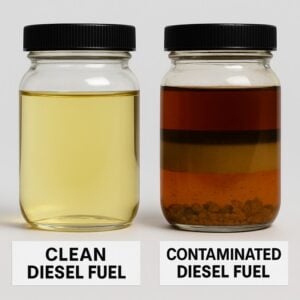
Common contaminants in diesel fuel include:
- Water: Often introduced through condensation, damaged tank caps or seals, poor storage conditions, or contaminated fuel supplies.
- Dirt and sediment: Can enter through storage tanks, transfer equipment, open containers, or poor fuel-handling practices.
- Microbial contamination: Bacteria and fungi can grow at the fuel-water interface when water is present in stored diesel.
- Degraded fuel: Diesel that has been stored improperly or for extended periods can develop problems that affect fuel quality and engine performance.
- Wax or fuel-gelling contamination: In cold conditions, paraffin wax can crystallize and restrict fuel flow through filters and fuel lines.
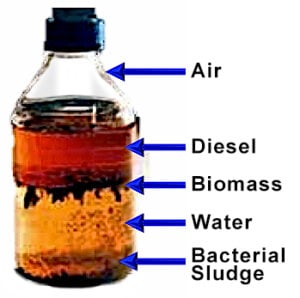
The exact risk depends on the type of contamination, how much is present, how long the equipment has been exposed, and the design of the engine’s fuel system.
Why Fuel Cleanliness Matters on Modern Diesel Engines
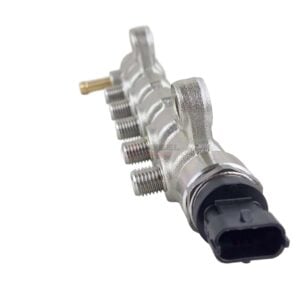
Fuel contamination is particularly important on modern diesel engines with high-pressure fuel systems. These systems rely on precisely engineered components operating with extremely tight tolerances. Contaminated fuel can increase wear or restrict fuel flow, potentially affecting components such as injectors and fuel pumps. That means a relatively inexpensive fuel-quality problem can become a much more expensive engine repair if it is not identified early.
 .
. 
What Causes Diesel Fuel Contamination?
Fuel contamination can originate inside the machine, during fueling, or somewhere in the storage and distribution process.
1. Water in Diesel Fuel
Water is one of the most common fuel contaminants. It can enter a fuel system through:
- Condensation inside partially filled tanks
- Damaged or poorly sealed fuel caps
- Tank vents
- Water-contaminated storage tanks
- Improper fuel handling
- Contaminated bulk fuel
Water can be particularly problematic because it can contribute to corrosion and microbial growth while also reducing the effectiveness of the fuel system.
If water repeatedly appears in a fuel-water separator, do not assume that draining the separator has solved the problem. Repeated water accumulation may indicate an upstream storage or fuel-system issue.
2. Dirt, Dust and Sediment
Dirt and debris can enter diesel fuel through contaminated storage tanks, dirty transfer equipment, open containers, or poor fueling practices. As the fuel moves through the system, the fuel filter is designed to capture particles before they reach sensitive components.
A heavily restricted filter can therefore be an important diagnostic clue.
3. Microbial Growth
Microbial contamination can develop when water is present in stored diesel fuel. Microorganisms can grow at the interface between fuel and water and produce material that can contribute to sludge, filter plugging, and other fuel-system problems.
If fuel filters repeatedly become restricted after replacement, inspect the fuel source rather than assuming the filter itself is the root cause.
4. Poorly Stored or Degraded Fuel
Fuel quality can deteriorate when diesel is stored improperly or for extended periods. Storage tanks should be kept clean and protected from water intrusion and other sources of contamination. Bulk fuel handling practices matter just as much as what happens at the machine.
For fleets and facilities with shared fuel storage, the fuel tank is effectively part of the maintenance system.
What Are the Signs of Bad Diesel Fuel?
Contaminated fuel does not always cause an immediate engine failure. The symptoms can develop gradually or appear only when the engine is under load.
Common contaminated fuel symptoms include:
- Hard starting or extended cranking
- Rough or unstable idle
- Loss of engine power
- Poor performance under load
- Increased exhaust smoke
- Frequently plugged fuel filters
- Water accumulating in the fuel-water separator
- Engine fault codes
- Engine derate conditions
- Stalling or intermittent operation
None of these symptoms proves that fuel contamination is the cause. The same symptoms can result from other fuel-system, air-system, electrical, or engine problems.
The important question is whether the evidence points back to the fuel supply.
A Pattern Across Multiple Machines Is a Major Clue
For fleet managers and service technicians, one diagnostic question can be especially useful:
Are multiple machines experiencing similar symptoms?
If several pieces of equipment that use the same bulk fuel source begin experiencing plugged filters, hard starts, loss of power, or other similar problems, the common fuel supply should be investigated.
The machine may not be the common denominator. The fuel source may be.
Don’t Just Replace the Plugged Fuel Filter
A machine loses power. You inspect the fuel system and find a restricted filter. You replace the filter, restart the engine, and everything appears to be working again.
Problem solved?
Maybe not.
A plugged fuel filter may be the immediate cause of the performance problem, but it can also be evidence of contamination upstream. If a filter is plugging more frequently than normal, inspect what the filter caught before throwing it away.
Look for:
- Excessive dirt or sediment
- Sludge
- Unusual discoloration
- Water
- Wax or gel-like material
- Other material that does not belong in the fuel system
Then ask why that material got there.
Replacing the filter gets the machine running. Finding out why it plugged can keep it running. That distinction matters for fleets because repeatedly replacing filters and other components without correcting the source can turn one fuel problem into a series of service events.
How to Diagnose Suspected Fuel Contamination
When contaminated fuel is suspected, the goal is to determine whether the problem originates with the fuel, the machine, or both. A basic diagnostic process can include the following steps.
1. Inspect the Fuel Filter
Do not immediately discard a plugged or restricted filter.
Inspect the filter and captured material for evidence of:
- Dirt or sediment
- Water
- Sludge
- Wax
- Unusual discoloration
The material in the filter can provide useful clues about what is happening upstream.
2. Check the Fuel-Water Separator
If the engine is equipped with a fuel-water separator, inspect it for water accumulation. Repeated water accumulation deserves further investigation rather than simply repeated draining.
3. Inspect the Fuel Tank
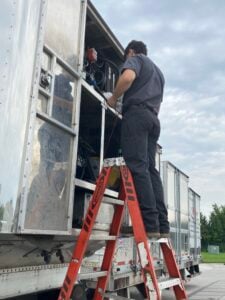
Look inside the equipment’s fuel tank when appropriate and safe to do so. Check for visible sediment, water, sludge, corrosion, or other evidence of contamination. Also inspect the condition of fuel caps, seals, vents, and other potential entry points.
4. Take a Fuel Sample
A fuel sample can help reveal problems that are not obvious from engine symptoms alone. A clear container may allow you to identify visible water separation, sediment, unusual discoloration, or other changes in fuel appearance. For significant or recurring contamination problems, additional fuel testing may be appropriate.
5. Review the Maintenance and Repair History
Look for patterns. Ask:
- How often are fuel filters being replaced?
- Has the same machine experienced this problem before?
- Has the fuel source changed?
- Was the machine recently fueled from a different location?
- Have other machines experienced similar symptoms?
- Were previous repairs focused on symptoms rather than the underlying cause?
A recurring repair is often a reason to broaden the diagnosis.
6. Trace the Fuel Supply
For fleets, this step can be critical. If multiple machines are affected, determine what they have in common. That could include:
- The same bulk storage tank
- The same transfer equipment
- The same fueling location
- The same fuel delivery
- The same maintenance event
If the same contamination is reaching multiple machines, replacing individual filters or fuel-system components will not address the underlying problem.
How to Prevent Diesel Fuel Contamination
Preventing contamination starts before the fuel reaches the engine.
Good fuel-management practices include:
- Follow the engine manufacturer’s recommended fuel-filter service intervals.
- Drain fuel-water separators as required.
- Inspect fuel caps, vents, seals, and tanks.
- Keep bulk fuel tanks clean and properly maintained.
- Protect storage tanks from water intrusion.
- Use clean fueling and transfer equipment.
- Avoid introducing dirt or debris during fueling.
- Monitor stored fuel for water and sediment.
- Investigate recurring filter plugging rather than treating each filter replacement as an isolated event.
- Follow the fuel and maintenance requirements specified for the engine.
For fleets and equipment operators, these practices can help reduce avoidable fuel-system problems and protect expensive components.
What About Diesel Fuel Gelling?
Fuel gelling is a different problem from water, dirt, or microbial contamination, but it can produce some of the same symptoms.
In cold temperatures, wax in diesel fuel can crystallize and restrict fuel flow through filters and fuel lines. The result can include hard starting, loss of power, sputtering, or a plugged fuel filter.
Crosspoint has additional guidance on recognizing and preventing diesel fuel gelling, including the use of winter fuel practices and anti-gel products.
If fuel problems appear during cold-weather operation, make sure fuel gelling is considered as part of the diagnosis rather than assuming every plugged filter is caused by dirt or water.
When Fuel Contamination Becomes an Engine Problem
Fuel contamination is not always limited to a dirty filter.
If contaminated fuel reaches sensitive fuel-system components, the resulting problem may require more extensive diagnosis or repair.
This is especially important when you are dealing with:
- Repeated fuel-system failures
- Persistent loss of power
- Injector problems
- Fuel pump concerns
- Repeated derate conditions
- Multiple failed components
- Contamination that has affected several machines
At that point, the right solution may involve more than replacing an individual part.
The fuel source, fuel system, engine, and maintenance history may all need to be considered together.
Fuel Contamination Is a Fleet Problem, Not Just an Engine Problem
For a single piece of equipment, contaminated fuel can mean a plugged filter and lost productivity.
For a fleet, the consequences can multiply.
If multiple machines are fueled from the same contaminated source, the same problem can appear across the fleet. That can mean repeated service calls, additional parts, unexpected downtime, and equipment that is unavailable when it is needed.
Fleet managers should therefore treat recurring fuel contamination as a system-level maintenance issue.
Preventive maintenance programs can help identify recurring patterns before they become widespread equipment failures.
Learn more about Crosspoint’s fleet maintenance support.
Crosspoint Supports More Than the Replacement Part
Sometimes you know exactly what part you need. Other times, the part is only the beginning of the problem.
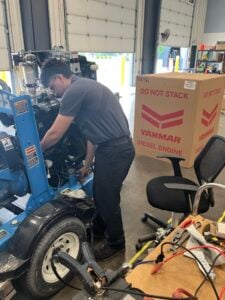
Crosspoint Power & Refrigeration supports OEMs, fleets, equipment operators, and service teams with industrial engine sales, parts, service, diagnostics, application support, and repower solutions. Crosspoint’s engine team can also help with engine selection, application testing, integration, and technical support. That matters when a fuel-related problem does not have an obvious answer.
You may need:
- A replacement fuel-system component
- Help identifying the correct engine part
- Technical information or diagnostic support
- Engine service or repair
- Application or engineering support
- A repower evaluation
- Help determining the right engine for an application
Crosspoint’s Indianapolis Engine Center provides engine repair, repower support, diagnostics, and parts for Yanmar and Ford Industrial Engines.
Explore Industrial Engines & Parts
Need Help With a Recurring Diesel Engine Problem?
Don’t keep replacing the same filter without asking why it is plugging.
If you’re dealing with recurring fuel-system problems, contaminated diesel, loss of engine performance, or another industrial diesel issue, Crosspoint’s engine team can help you work through the problem and determine the right next step.
Whether you need a part, technical support, service, or a larger engine solution, the goal is the same: keep your equipment running and prevent a small fuel problem from becoming a bigger engine problem.
Diesel Fuel Contamination FAQs
What is diesel fuel contamination?
Diesel fuel contamination occurs when unwanted substances such as water, dirt, sediment, microbial growth, or degraded fuel enter the fuel system and affect fuel quality, fuel flow, or engine performance.
What are the symptoms of contaminated diesel fuel?
Common symptoms include hard starting, rough idling, loss of power, increased exhaust smoke, repeatedly plugged fuel filters, water in the fuel-water separator, fault codes, and engine derate conditions.
What causes diesel fuel contamination?
Common causes include water entering storage tanks, condensation, damaged fuel caps or seals, dirty transfer equipment, contaminated bulk fuel, poor fuel-handling practices, and microbial growth in fuel containing water.
Can contaminated diesel damage an engine?
Yes. Contaminated fuel can restrict fuel flow and contribute to wear or damage in fuel-system components. Modern high-pressure fuel systems are particularly sensitive to fuel cleanliness.
Why does my diesel fuel filter keep getting clogged?
A repeatedly clogged diesel fuel filter may indicate excessive dirt, sediment, water, microbial contamination, wax from fuel gelling, or another problem upstream. Replacing the filter without identifying the source may only provide a temporary fix.
How do you check for contaminated diesel fuel?
Inspect the fuel filter and fuel-water separator, examine the fuel tank and fueling equipment, and take a fuel sample when appropriate. If multiple machines have similar symptoms, investigate the shared fuel source.
How can I prevent diesel fuel contamination?
Prevent contamination by keeping storage and transfer equipment clean, protecting tanks from water intrusion, maintaining fuel filters and water separators according to manufacturer recommendations, using clean fueling equipment, and investigating recurring contamination rather than repeatedly replacing filters.
Is diesel fuel gelling the same as fuel contamination?
Not exactly. Fuel gelling occurs when wax in diesel fuel crystallizes in cold temperatures and restricts fuel flow. It can produce symptoms similar to other fuel problems, including hard starting, loss of power, and plugged filters.